A guide to the city, written by someone who has been welcoming guests here since 2008.
A short walk from the apartment
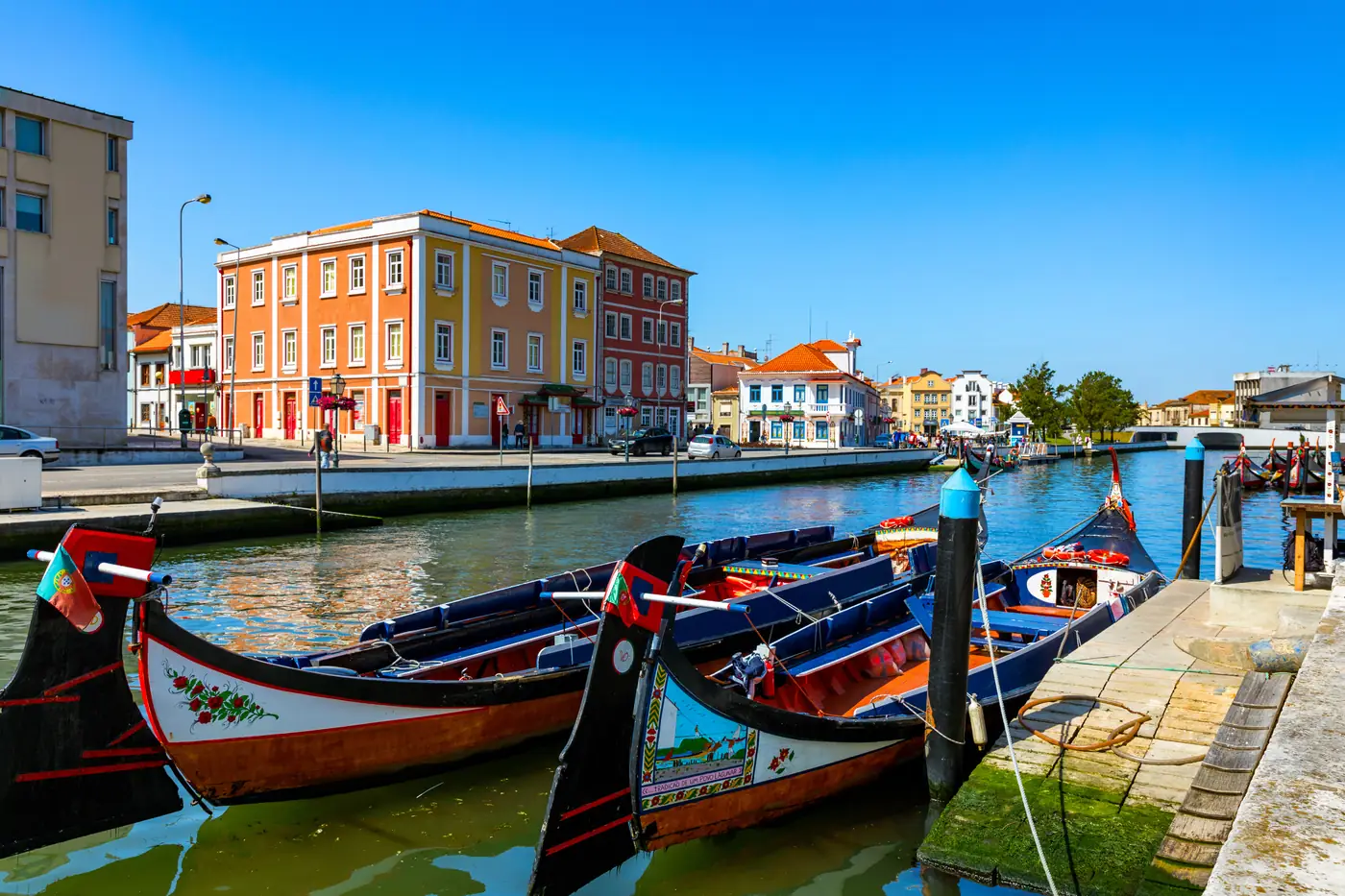
The canals and the moliceiros. The Canal Central is a short walk away. A moliceiro boat ride lasts about 45 minutes and is the best way to understand the city — go late in the afternoon, when the light hits the façades.
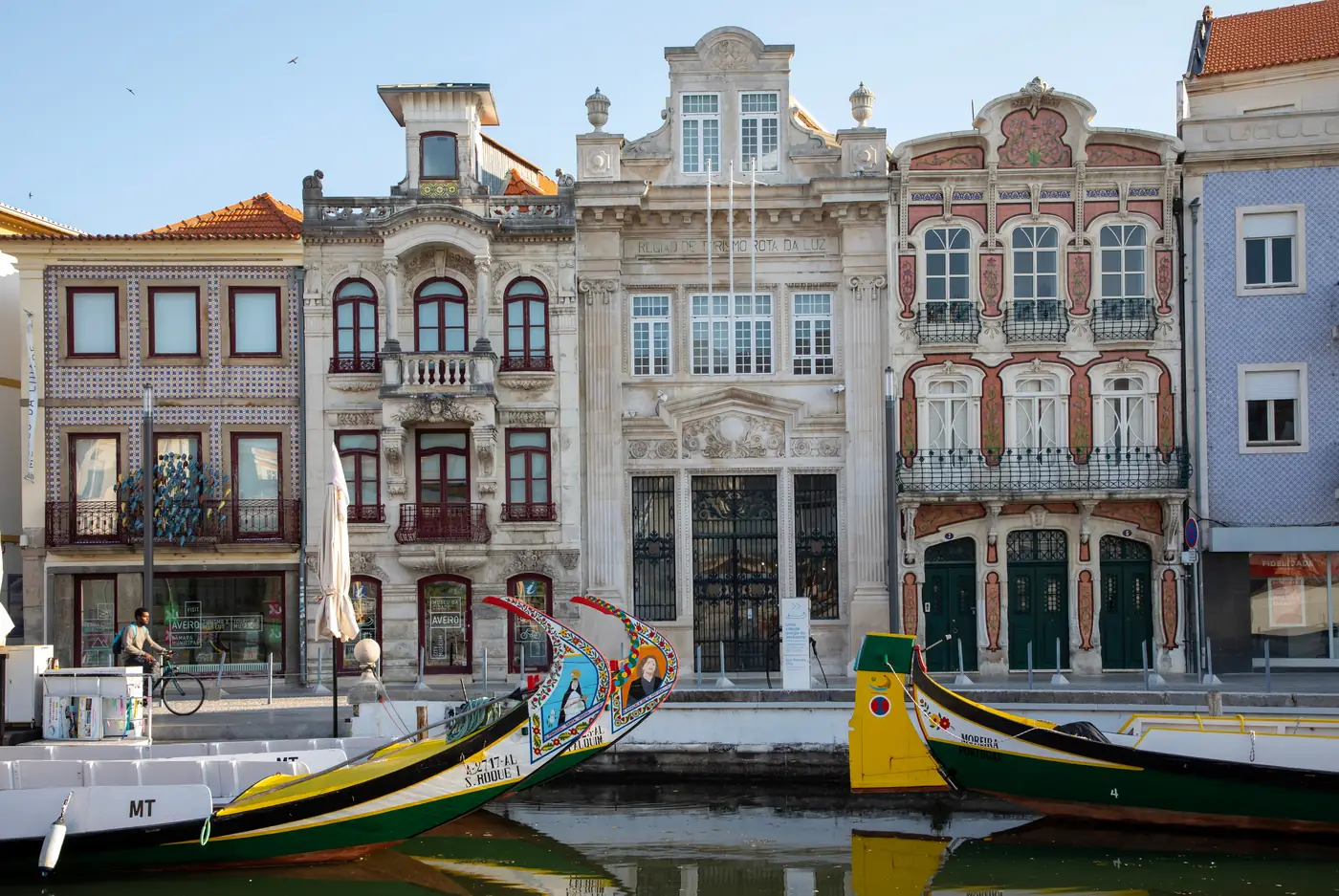
Art Nouveau. Aveiro has one of the finest collections of Art Nouveau architecture in Portugal. A signposted route runs past the façades in the centre, and the Art Nouveau Museum sits on the circuit itself.
Ovos moles. A convent sweet with European protected status, sold in little wooden barrels or moulded into shells and fish. Buy them from an old house in the centre rather than from a souvenir stand.
Half an hour by car
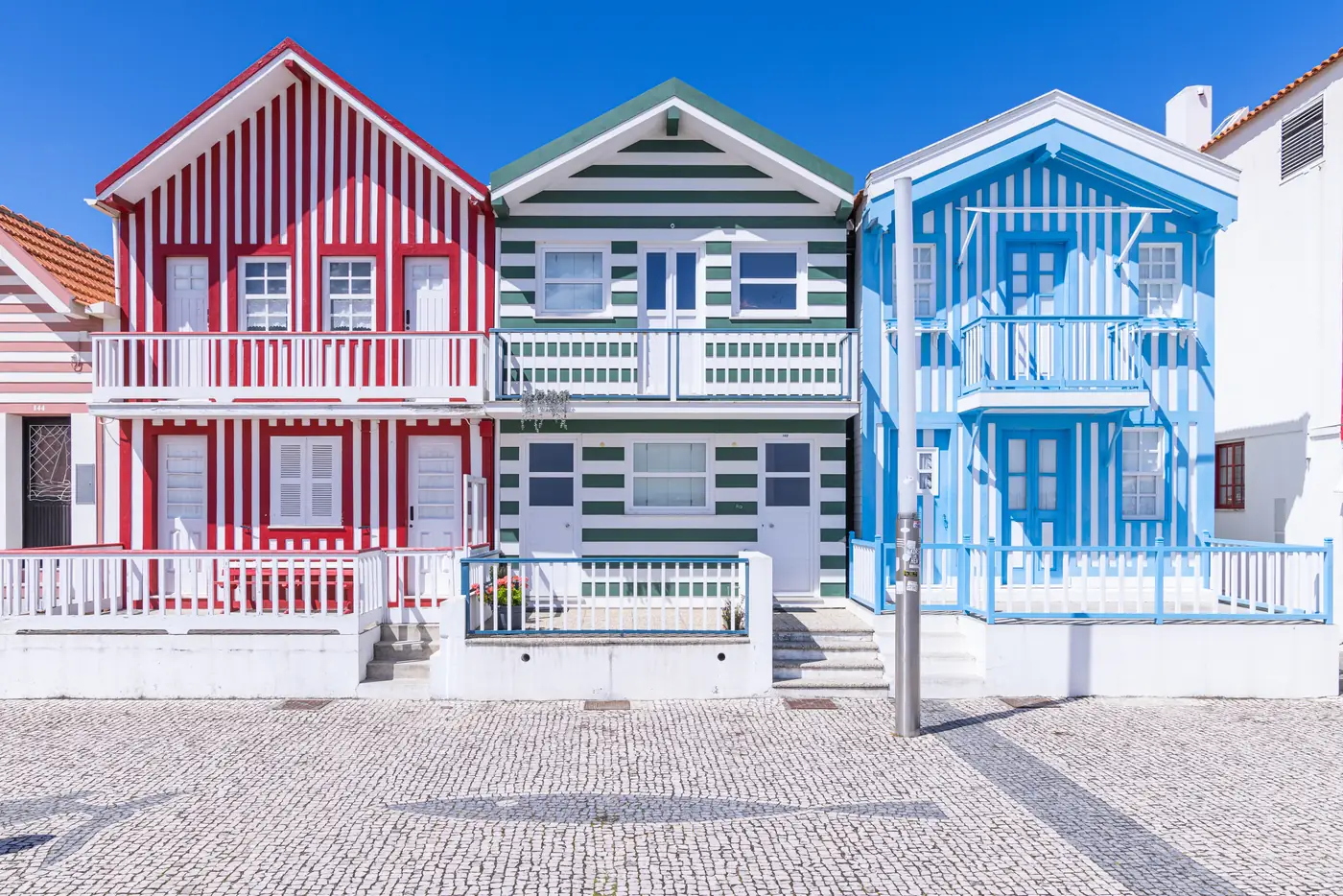
Costa Nova and the striped houses. The striped fishermen’s huts are the best-known photograph in the region. They are about twenty minutes away, and it is worth carrying on to the Barra lighthouse.
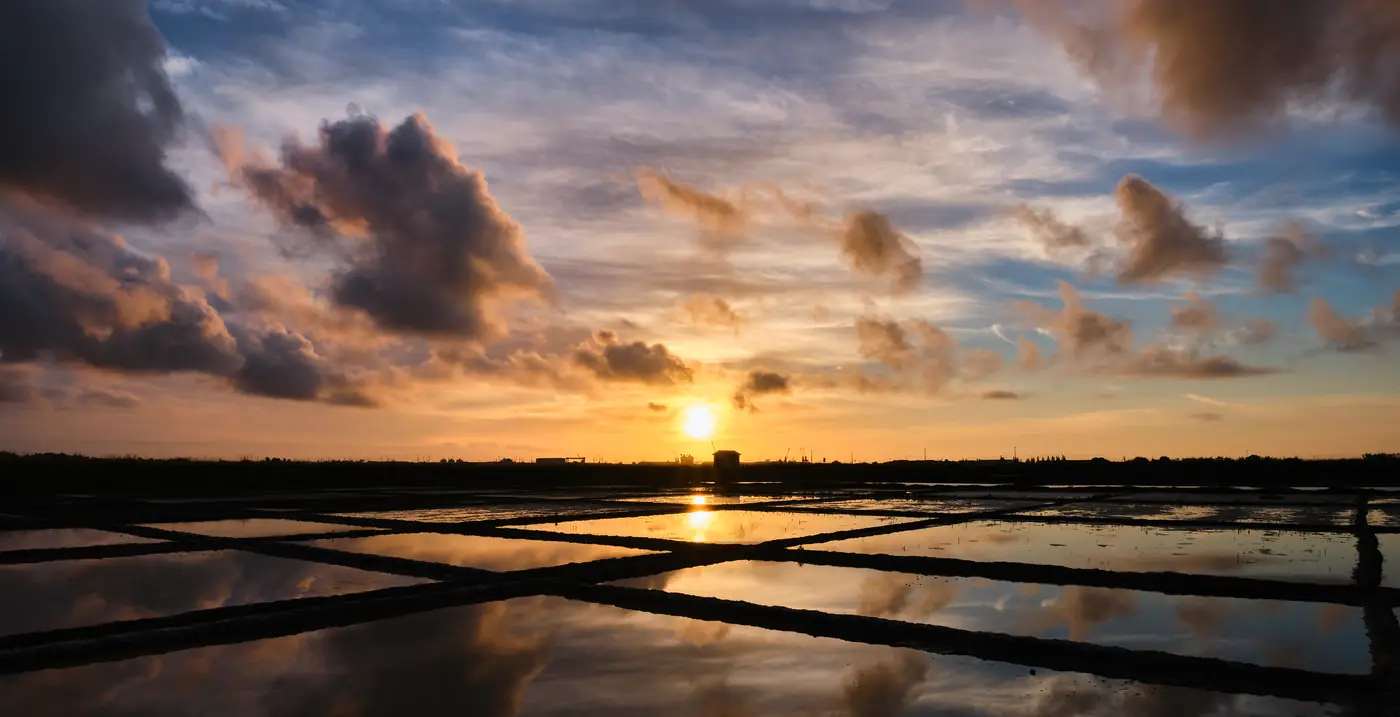
The salt pans. Aveiro still harvests salt by hand. Some of the pans are open to visitors, and there are saltwater pools you can bathe in.
The São Jacinto Dunes Nature Reserve. You cross by ferry. Trails between the dunes and the pine woods, and good birdwatching.
Vista Alegre, in Ílhavo. Two hundred years of porcelain, with a museum, a factory and a chapel. Next door, the Ílhavo Maritime Museum tells the story of the cod fishermen.
Getting around
The centre is walkable. To go further, Aveiro has the BUGA — free-to-use bicycles — and a network of cycle paths that reaches the lagoon. The Ecopista do Vouga is another route, for anyone who wants to cycle properly.
At the table
Order bacalhau — the city has lived off salt cod for centuries. Eels, fried or in a stew, are the most local dish there is. And to go with it, a white from the Bairrada.